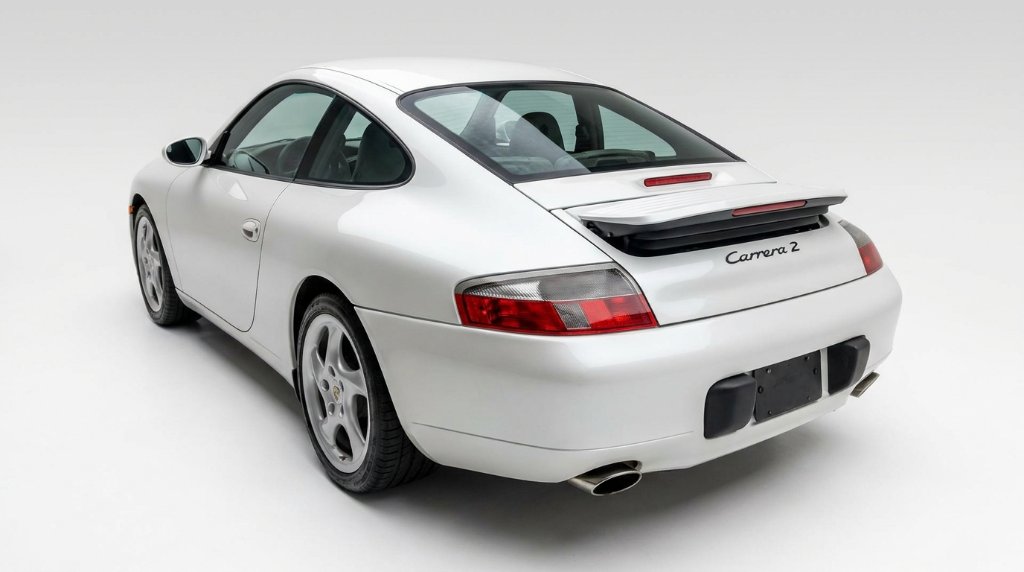
Buying for someone who already owns everything is a specific kind of problem. It is not that they are difficult, it is that they solved their own wish list years ago. Anything they genuinely needed, they bought, usually after researching it for three weeks and choosing a better version than you would have picked. What is left is the category they cannot buy for themselves: something about the car they already have.
Why the usual safe options fall flat
The standard fallbacks fail for predictable reasons. Vouchers are the most useful and the least memorable, and in a family where everyone gives vouchers, they cancel each other out. Tool kits duplicate the ones already in the garage, and the recipient can tell from the box that it is not the brand they would have chosen. Novelty items get a laugh and then live in a cupboard, because a mug shaped like a wheel nut is not actually useful to anyone.
What that leaves is the space where a present can be both specific and low-risk: something that references their car without asking them to change anything about it, and that does not require you to guess a size, a fitment or a brand preference. Car art is unusually good at this, because the constraint is knowledge rather than taste, and the knowledge is written on the car.
Personalised does not mean their name in a font
There is a version of personalised gifting that just adds a name to a generic object, and most car people see straight through it. The version that works is specific to the car: the model, the generation, the colour, the wheels, the wing they have been talking about fitting for two years. Those details say you were paying attention, which is the actual gift.
You do not need to be a Porsche expert to get this right. You need the model and a photograph, and the configurator does the rest. If you know it is a 987 Cayman in white, build a 987 Cayman in white. If you know it has black wheels, choose those wheels. The recipient will notice the difference between a generic 911 silhouette and their own car, and they will notice the wheels first.
The three formats that work
A printed tee is the simplest: one angle, one garment, no sizing conversation with the recipient required if you know roughly what they wear. It is also the most likely to be worn rather than stored, which is the quiet test of a good gift. The risk is size, so use the chest measurements on the size guide and size up if you are between two.
A printed hoodie suits the person who already lives in one, and it carries a bigger print area, which means more of the car is visible. It is the better choice in winter and the better choice for someone who treats a tee as formalwear. The trade-off is that a hoodie is harder to size blind than a tee.
The digital option is the one people forget. A Render Pack delivers high-resolution images of the build, which is the ideal present for someone who is planning the real thing: it gives them wall art, a phone background and a reference to show a body shop, without committing you to a garment size at all. It also arrives immediately, which matters if you are buying late.
If you know nothing about their car
Find the model on the boot badge or the registration, or ask a family member. Failing that, choose a car they talk about rather than the one they own, which for most enthusiasts is a very specific answer. If you still cannot pin it down, the safer personal gift is a Rebody+ membership: unlimited renders and saved builds lets them design their own car properly, and a 15% discount on apparel means they can print it themselves once it is right.
Finding their car's specification in five minutes
Start with the badge. Porsches are helpfully explicit: the model name is usually on the boot, and the generation is inferable from the year. If you have the registration, a vehicle check gives you the model, the year and often the exact variant, which is enough to choose the right entry in the configurator.
Then match two visible details: the paint colour and the wheels. Those are the two things an owner sees every day and the two things that make a render recognisably theirs. If you have a photograph of the car, compare it to the colour swatches rather than picking from memory, because memory rounds every grey towards grey and every blue towards blue.
If you cannot inspect the car, ask a question that is easy to answer rather than one that requires expertise: what colour is it, and does it have a spoiler? Those two answers get you most of the way, and the configurator will render something close enough that the recipient recognises it immediately.
Start by building the car, then check the mock-up in the print shop. Both steps are free to look at, which makes this an easy gift to research before you spend anything.